-
Strength and Durability
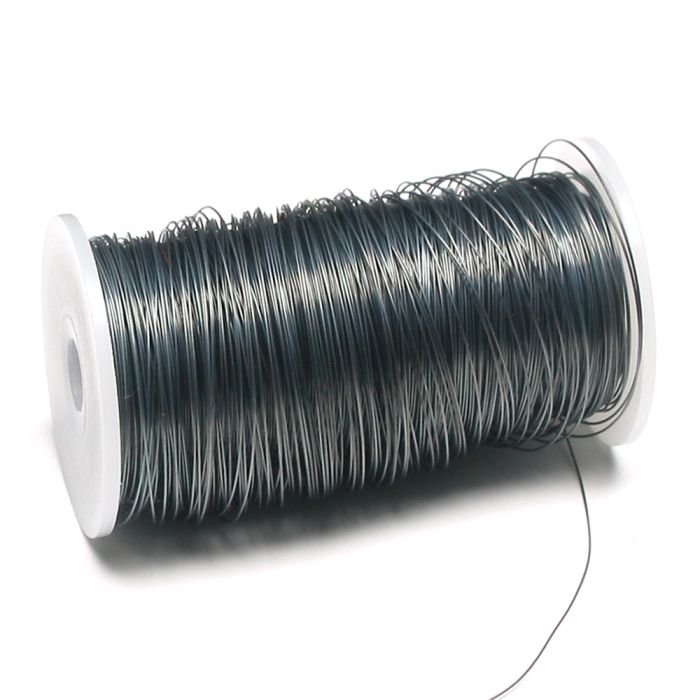
Iron binding wire is made from high-quality iron, providing it with excellent tensile strength. This makes it an ideal choice for binding heavy or delicate items that require secure fastening. It can withstand tension without breaking or losing its integrity, making it a reliable option in various applications.
-
Flexibility for Easy Handling
One of the significant advantages of iron binding wire is its flexibility. It can be easily bent and shaped into loops, coils, or twists, allowing for custom lengths and configurations. This makes it ideal for jewelry makers, craftsmen, and DIY enthusiasts who need a wire that can conform to different shapes and requirements.
-
Corrosion-Resistant Options
While iron wire itself can rust if exposed to moisture for prolonged periods, there are corrosion-resistant versions available. Galvanized iron binding wire, for instance, is coated with a layer of zinc, providing added protection against rust and ensuring the wire remains durable over time, even in harsh environments.
-
Cost-Effective and Economical
Compared to other binding materials, iron wire is highly cost-effective. It provides excellent value for money while offering the same reliability and strength as more expensive alternatives. This makes it an ideal choice for large-scale applications, such as in construction and agriculture.
-
Variety of Sizes and Gauges
Iron binding wire comes in a range of gauges (thicknesses), allowing you to choose the right wire for your specific needs. From fine wire for jewelry making to thicker gauges for construction or industrial uses, there is a size that fits every requirement.
-
Jewelry Making
In the jewelry industry, iron binding wire is often used for binding and securing components. It’s an excellent tool for wire wrapping, creating intricate designs, and securing beads or stones. While iron is not commonly used in the final product, it serves as a temporary tool for shaping and holding pieces during the creation process.
-
Construction and Engineering
Iron binding wire is commonly used in construction to tie rebar (reinforced steel bars) together when building concrete structures. The wire holds the rebar in place, ensuring the structure’s stability and integrity. This is particularly important in creating reinforced concrete for buildings, bridges, and other infrastructure projects.
-
Gardening and Agriculture
In the agricultural sector, iron binding wire is widely used to support plants, vines, and other growing crops. It can be used to tie plants to stakes, trellises, or fences, helping them grow in the desired direction and preventing damage from wind or weight.
-
Crafting and DIY Projects
Whether you’re creating a decorative piece, building models, or working on other craft projects, iron binding wire offers excellent versatility. Its ability to bend, twist, and hold shapes makes it a go-to tool for hobbyists and professional crafters alike.
-
Packaging and Securing Materials
Iron binding wire is often used in packaging and securing items during shipping and storage. It can be used to bind boxes, bundles, and other goods, providing an additional layer of security to prevent the contents from shifting or spilling.
-
Electrical and Mechanical Uses
In certain electrical and mechanical industries, iron binding wire is used as a grounding wire or to hold electrical components in place during assembly. Its conductive properties make it suitable for applications requiring low-level electrical current flow.
Iron binding wire is an essential material in numerous industries, providing strength, flexibility, and reliability at an affordable price point. Whether you need it for construction, gardening, crafting, or jewelry making, iron wire can help you achieve your goals with ease. Its ability to withstand tension and conform to various shapes makes it the perfect choice for both professional and personal projects.