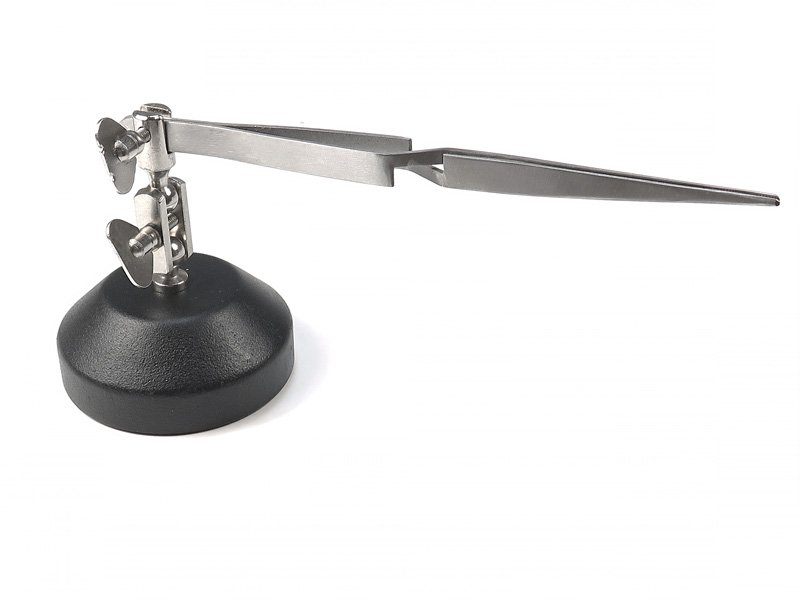
A trivet is an essential tool used to protect surfaces from high temperatures during soldering, metalworking, jewelry making, or other heat-intensive tasks. It is commonly used in a variety of crafts, especially in soldering, to provide a safe and stable surface for heating or working with hot materials.
What is a Trivet?
A trivet is a heat-resistant platform or stand that is typically used to support hot objects or workpieces during processes like soldering, melting, or heating. It acts as a buffer between the hot object and the underlying surface, protecting your work area from damage or excessive heat.
Key Features of a Trivet
Heat Resistance:
A trivet is made from heat-resistant materials, such as ceramic, metal, silicon, or stone, ensuring it can withstand the high temperatures associated with soldering, metalworking, and other crafts that require heating.
The materials used in trivets prevent heat transfer, ensuring that the surface below the trivet remains cool and unaffected by the heat of your project.
Durability:
Trivets are designed to be sturdy and long-lasting, with the ability to handle repeated exposure to high temperatures without degrading. Ceramic trivets, for example, can endure extreme heat without cracking or warping.
Non-Slip Surface:
Many trivets feature a non-slip surface or feet, which helps to keep the workpiece stable and prevent it from moving while you’re working on it. This is particularly useful when soldering delicate pieces, as any movement can compromise the precision of your work.
Shape and Size Options:
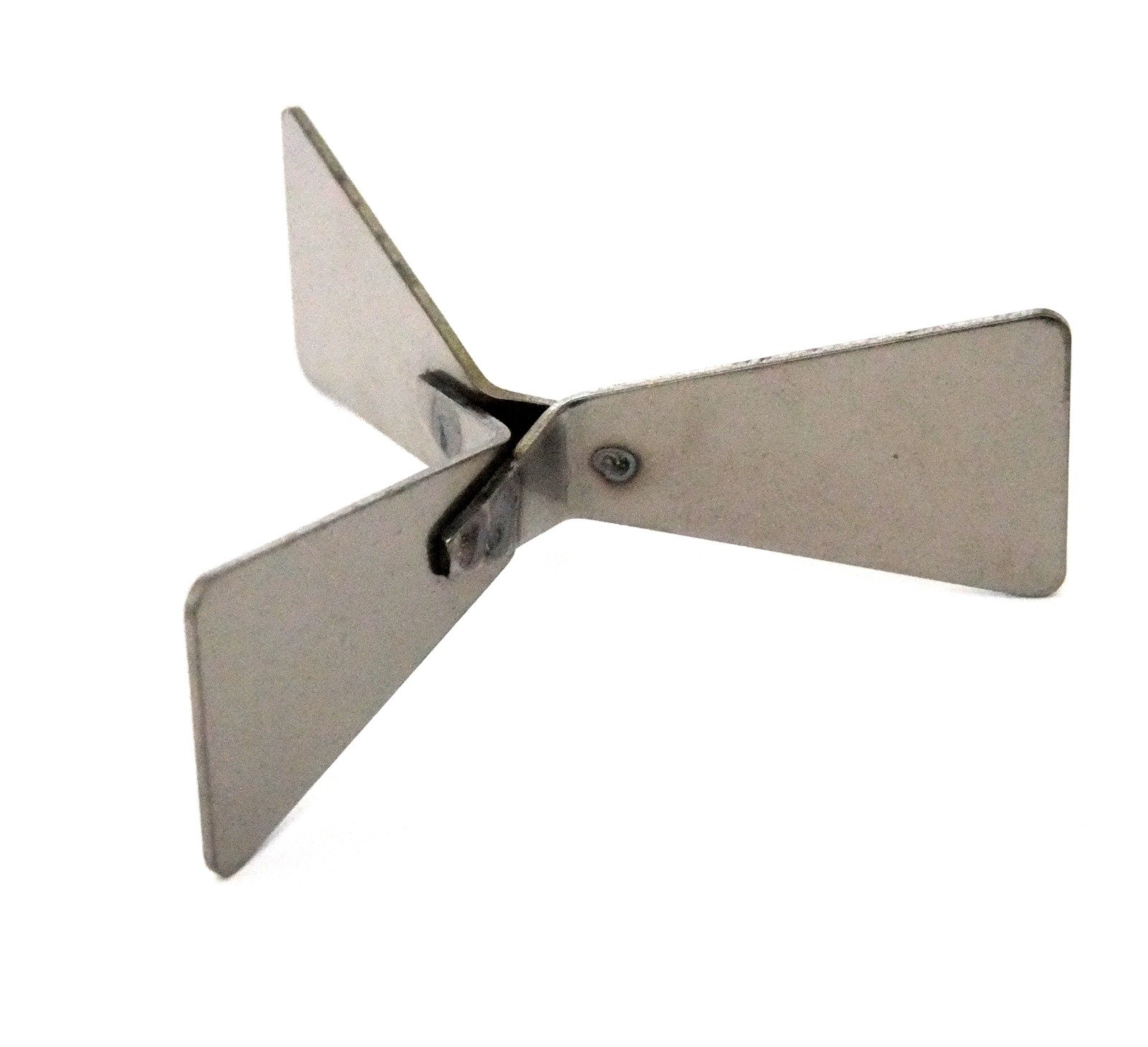
Trivets come in a variety of shapes and sizes to suit different tasks. Some are round, square, or rectangular, while others might have customized designs for specific applications, like holding small parts in place while soldering.
You can find trivets designed to hold multiple small components or ones that can accommodate larger pieces. The size of the trivet should be chosen based on the size of your workpieces and the area in which you plan to work.
Easy to Clean:
Many trivets are designed to be easy to clean after use. Materials like ceramic or silicone can be wiped down, while metal trivets can be brushed clean of any soldering residues or flux.
Benefits of Using a Trivet
Protects Surfaces:
One of the main benefits of a trivet is its ability to protect your work surface, whether it’s a workbench, table, or other surfaces, from the direct heat of your soldering iron, torch, or heated metal.
This prevents heat from damaging or warping your work surface or causing accidental burns or marks.
Stability During Work:
The non-slip design and sturdy structure of the trivet provide a stable base for your materials. This ensures that delicate pieces stay in place while you work, especially during soldering or heating.
Prevents Overheating:
The trivet serves as a buffer between your workpiece and the surface, preventing the risk of overheating or damaging the underlying materials. This is especially important when working with precious metals, electronics, or glass, where precise temperature control is crucial.
Multi-Tasking Support:
A trivet with a larger surface area can support multiple pieces at once, making it a great tool for soldering or heating several small components simultaneously.
Versatility in Crafting:
Trivets are not just limited to soldering or metalworking. They are useful in jewelry making, candlemaking, glassworking, and even cooking, where heat needs to be distributed safely or where heated tools or parts need to be placed.
Types of Trivets
Ceramic Trivets:
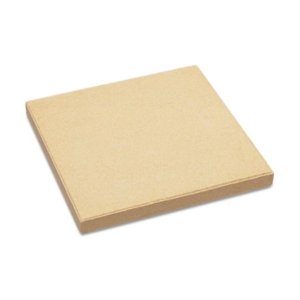
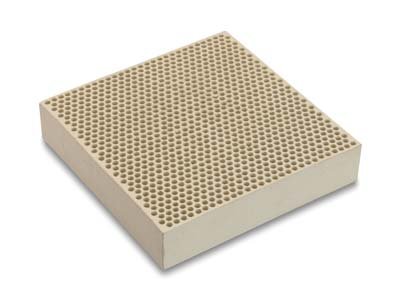
Ceramic trivets are known for their excellent heat resistance and are ideal for soldering or heating metals. They distribute heat evenly and are often used in the jewelry-making and metalworking industries.
They are easy to clean and do not retain heat for long, reducing the chance of overheating your workspace.
Metal Trivets:
Metal trivets, typically made from steel or cast iron, are durable and can withstand extreme heat. They are ideal for tasks like metal casting or welding, where high temperatures are consistently applied.
They often have raised feet to ensure airflow underneath, preventing heat buildup.
Silicone Trivets:
Silicone trivets are flexible, heat-resistant mats that are ideal for use in smaller spaces or for tasks requiring extra grip. They can handle temperatures up to 600°F or higher and are easy to clean.
Silicone trivets are especially useful when working with delicate items like small jewelry or components, as they are less likely to scratch or damage the workpieces.
Stone or Soapstone Trivets:
Soapstone or other stone trivets provide excellent heat retention, absorbing heat and spreading it evenly. These trivets are commonly used for tasks like metal heating and soldering, as they maintain a consistent temperature.
These trivets are especially popular in jewelry making for precious metals like gold and silver, as the stone helps to ensure uniform heating.
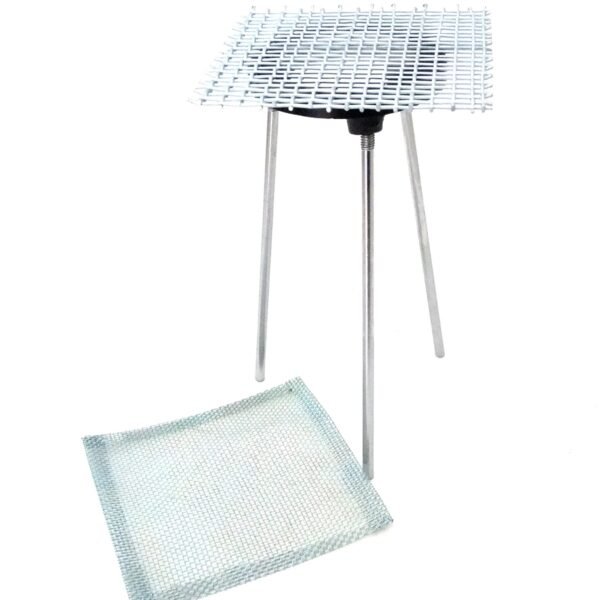
Wire Mesh Trivets:
Wire mesh trivets are designed with a grid pattern to allow for excellent airflow and heat dissipation. This type is especially useful for fine soldering or tasks where temperature control is critical.
The mesh construction can be great for supporting small components while still allowing heat to circulate freely around them.
Applications of Trivets
Soldering:
A trivet is often used to hold hot soldering pieces or metal components while you work. It provides a cool surface for placing parts, preventing direct heat contact with your workbench.
Jewelry Making:
In jewelry making, trivets provide a stable, heat-resistant surface to place precious metal pieces while they are heated or soldered. Ceramic or stone trivets are especially useful in this context for maintaining even heat distribution.
Electronics Soldering and Repair:
When working with electronic components, the trivet serves as a heat-safe platform to hold circuit boards, small parts, or microchips. This helps prevent overheating of sensitive components and protects the work surface from solder drips.
Metalworking:
Metalworkers use trivets to provide a stable platform for melting, casting, or welding metals. A sturdy metal trivet or ceramic version can handle the intense heat that comes with these processes.
Glassworking:
Glass artists use trivets to support their hot glass creations during the cooling phase, providing both a safe surface and ensuring even heat dissipation.
Crafting and DIY Projects:
For general crafting or DIY projects that involve heating, like gluing, molding, or working with plastics, a trivet can help protect your work area and provide a safe surface to place items.
How to Use a Trivet
Setup:
Place the trivet on a stable and flat surface in your work area.
Ensure that the area around the trivet is free from flammable materials or anything that could be damaged by heat.
Position Your Workpieces:
Place your hot workpieces, such as metal parts, jewelry components, or soldered pieces, on the trivet. Make sure the pieces are centered and stable on the trivet’s surface.
Apply Heat:
Use your soldering iron, torch, or burner to apply heat to the workpieces. The trivet will absorb the heat and protect the surface beneath while ensuring the workpieces don’t overheat or shift.
Cool Down:
Allow the workpieces to cool naturally on the trivet. The trivet’s material will help cool the parts evenly by promoting air circulation, ensuring they do not remain overly hot for too long.
Clean After Use:
After the work is complete and the trivet is cool, clean the surface of any flux or solder residue. Depending on the material, you may need to wipe down the trivet with a soft cloth or use mild detergent for ceramic trivets.