In jewelry making, electronics soldering, and other precision tasks, having the right tools is crucial for achieving clean, accurate, and safe results. Tools such as third-hand soldering boards, soldering torches, and burners are designed to provide you with the stability, heat control, and precision needed to handle even the most intricate projects. Whether you’re a professional jeweler, hobbyist, or DIY enthusiast, these tools are essential for successful soldering.
Let’s break down these tools, their key features, and how they can elevate your craftsmanship:
1. Third-Hand Soldering Board
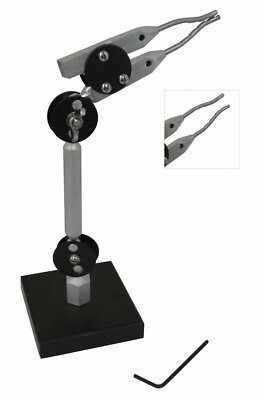
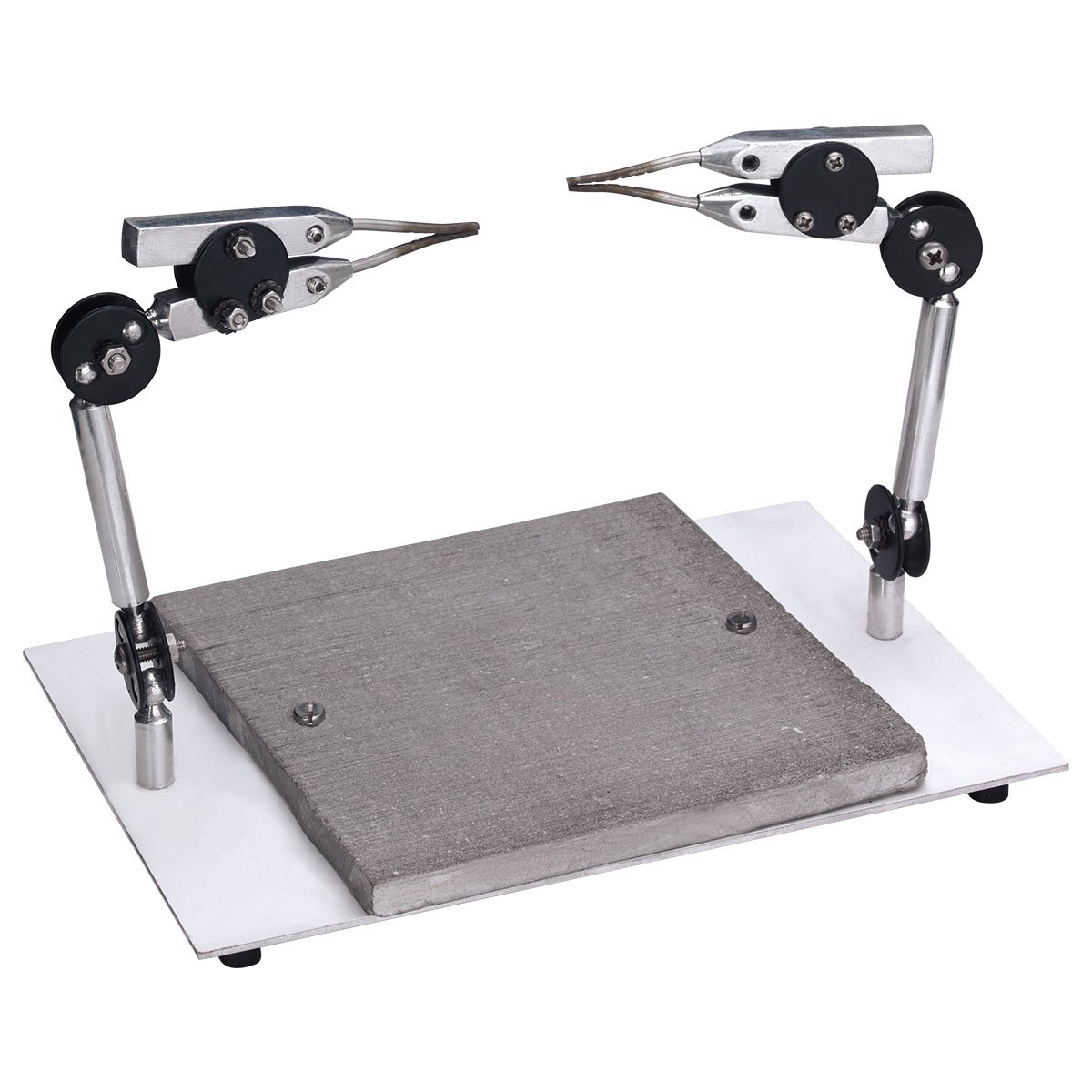
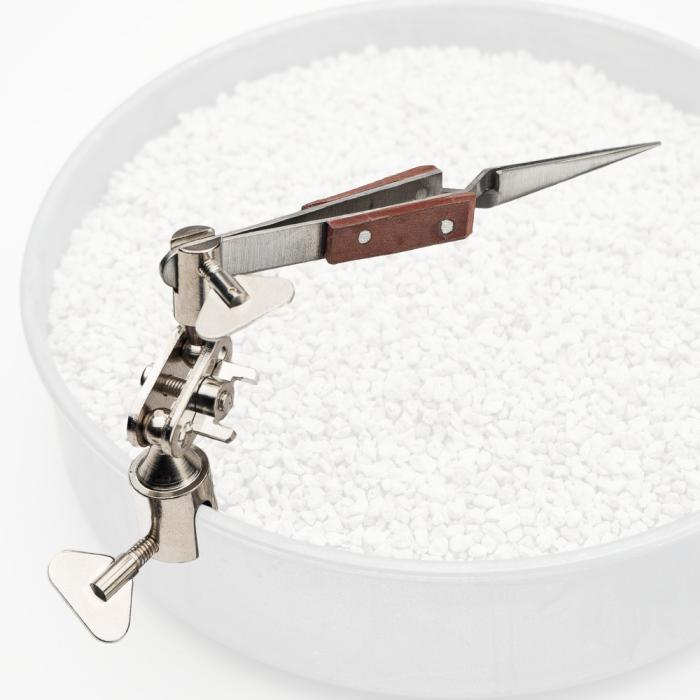
A third-hand soldering board is an essential tool that provides hands-free support for your workpieces, ensuring stability and precision while soldering, welding, or assembling small components.
Key Features:
-
Adjustable Arms and Clips: The arms of the third hand are typically flexible and adjustable, allowing you to position the clips or tweezers exactly where needed. You can adjust the arms for different angles and heights, providing precise control over your work.
-
Heavy-Duty Base: A cast iron or steel base provides the stability needed to hold your materials steady, preventing them from tipping over during soldering.
-
Multiple Holding Options: The clips can hold various materials, including small wires, electronics components, and jewelry parts. Some stands even offer magnifying lenses or additional support arms.
-
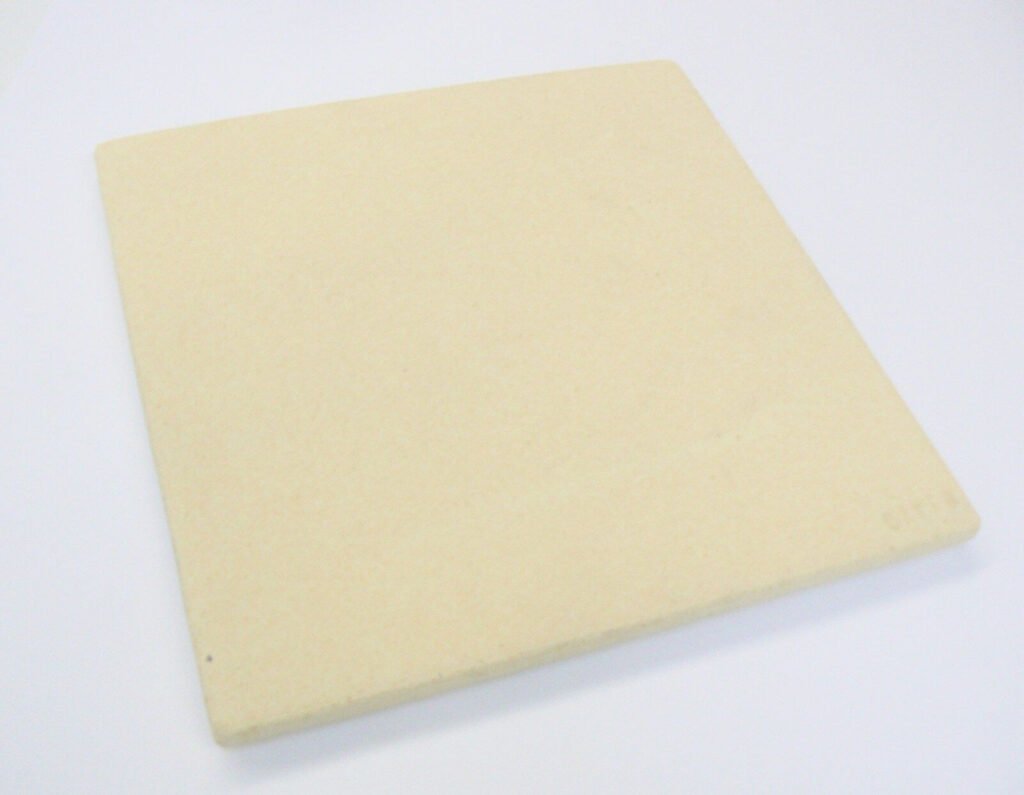
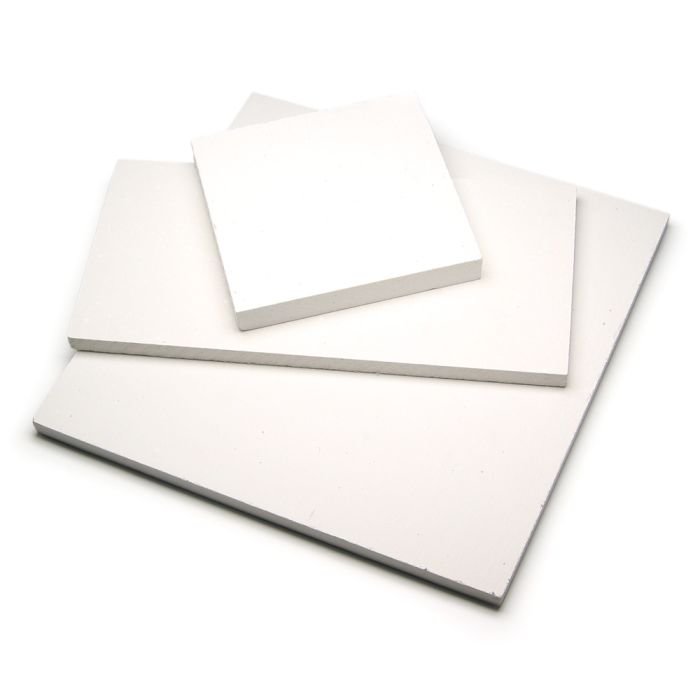
Heat Resistance: The board is made from heat-resistant materials, ensuring it can withstand high temperatures involved in soldering or welding without warping or melting.
Applications:
-
Jewelry Making: Hold delicate jewelry parts like rings, necklaces, or earrings steady while soldering.
-
Electronics: Position small circuit boards and components for precise soldering of microelectronics.
-
General Soldering: Perfect for DIY projects, model making, and repairs requiring multiple small parts to be held at specific angles.
2. Soldering Torches
A soldering torch is a handheld tool that provides a precise flame for soldering, welding, or heating materials. Unlike a standard soldering iron, which provides heat through a solid tip, a soldering torch produces a focused flame that can be adjusted in intensity.
Key Features:
-
Adjustable Flame Control: Allows you to control the size and intensity of the flame, which is essential when working with varied materials (e.g., gold, silver, or copper).
-
Portable and Lightweight: These torches are compact and can be easily handled, providing a high degree of maneuverability when working with small or intricate pieces.
-
Refillable Fuel Source: Most soldering torches use butane or propane, and they come with refillable fuel tanks, providing a consistent flame during longer work sessions.
-
Heat Focused on Small Areas: Ideal for localized heating, which is perfect for jewelry making or small electronic repairs.
Applications:
-
Jewelry Soldering: Use the torch for melting solder and joining metal components in jewelry crafting, such as rings, bracelets, or necklaces.
-
Electronics Repair: Repairing small components on circuit boards or small devices where precision heating is required.
-
Welding and Metalworking: It’s also handy in metalworking for small-scale welding or for brazing.
3. Burners for Soldering
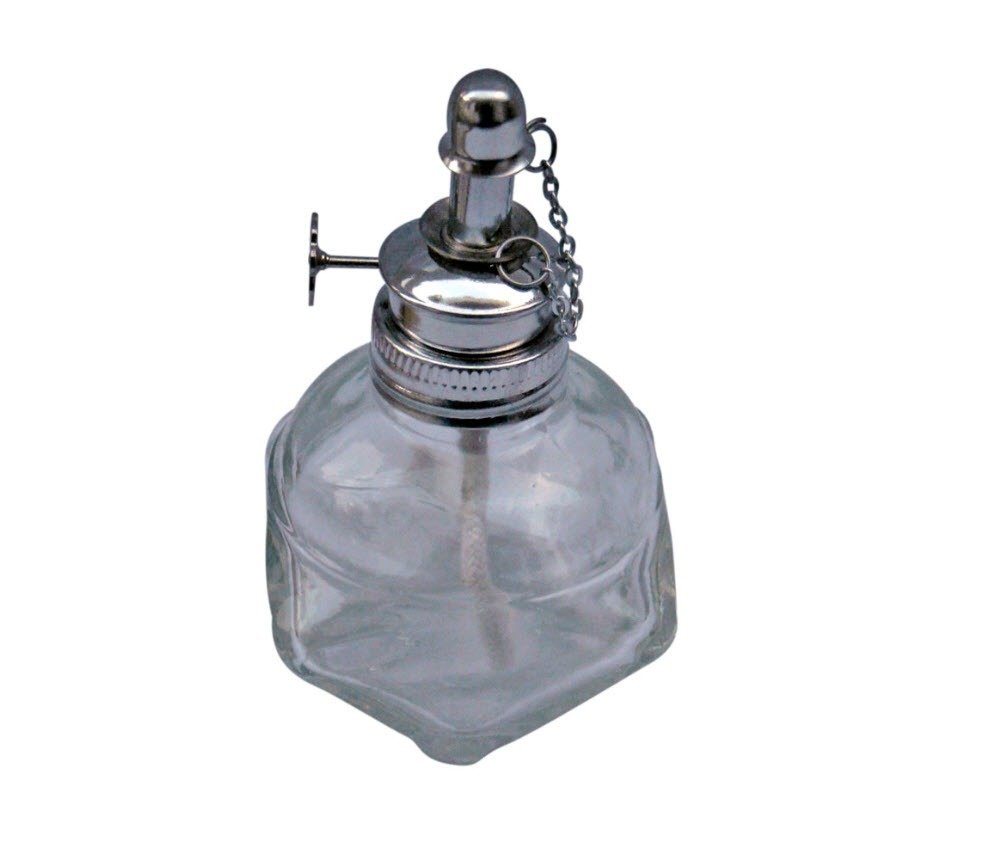
A burner for soldering is another form of heating tool, typically used in metalworking or jewelry making. These tools work by producing a high-intensity flame that is useful for larger-scale soldering tasks, such as melting or fusing metal pieces.
Key Features:
-
Adjustable Flame Size: Provides a wide range of flame adjustments for different tasks. You can use a larger flame for heating metal or a more focused one for melting solder.
-
Stable Base: Burners typically come with secure bases to ensure safety during use, especially when working with high temperatures.
-
Multiple Flame Types: Some burners are equipped with multiple nozzles, which can generate either a soft flame for soldering or a hard flame for melting.
-
Durability and Safety: The burners are typically built with heat-resistant materials, ensuring longevity and safe operation during prolonged use.
Applications:
-
Jewelry Making: Ideal for larger metal pieces that need to be heated or melted, such as casting, annealing, or brazing.
-
Metalworking and Plumbing: Use in industrial applications for soldering pipes or joining metal sheets.
-
Heating or Fusing Metal for Crafts: Fusing metal wire or sheets to create sculptures or custom designs.
4. Jewelry Tools for Soldering
In addition to the primary soldering equipment, there are various specialized jewelry tools that make the soldering process smoother and more precise. Some of these tools are:
-
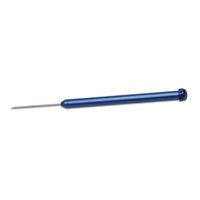
Soldering Picks: Used for placing solder onto specific areas without disturbing other parts of the workpiece.
-
Tweezers: Used for manipulating small pieces of metal or placing components in hard-to-reach areas while soldering.
-
Flux: A chemical used to clean the metal surfaces before soldering to ensure a strong bond and prevent oxidation.
-
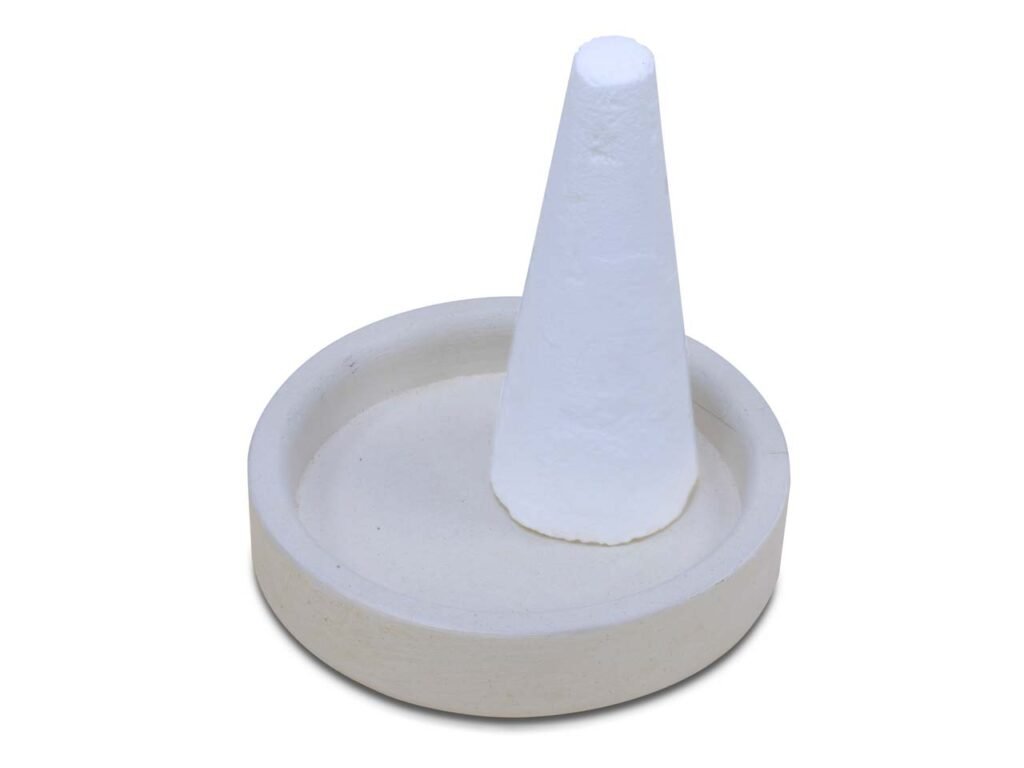
Soldering Boards: Some boards are equipped with grids or honeycomb patterns to help hold pieces in place or direct heat evenly.
Applications of Jewelry Tools:
-
Jewelry Assembly: For clean joints between metal parts, such as rings, pendants, or earrings.
-
Finishing Work: These tools also help with cleaning up solder joints, filing, or polishing finished pieces.
-
Stone Setting: Some jewelry tools help hold stones in place while you work on the surrounding metal.
How These Tools Work Together
The combination of third-hand soldering boards, soldering torches, burners, and jewelry tools provides you with everything you need for efficient, precise, and safe soldering.
Typical Workflow:
-
Preparation: Set up your third-hand soldering board to hold your workpieces securely in place. Position the parts you need to solder with the adjustable arms, clips, or tweezers.
-
Heating: Use the soldering torch or burner to apply heat to the parts, ensuring you control the intensity of the flame to avoid overheating.
-
Soldering: With the workpieces steady, apply flux to ensure a clean bond and melt the solder to join the metal parts together.
-
Finishing: Once the solder has cooled, use jewelry tools like files or polishers to smooth out any rough edges or clean up the solder joints.
Why Choose These Tools?
-
Precision: These tools help with delicate work that requires accuracy, whether you’re working on small components or intricate designs.
-
Efficiency: By providing hands-free support, adjustable heat sources, and precision tools, these tools help you work faster and more effectively.
-
Versatility: They are suitable for a variety of applications, from electronics to jewelry making, and can be used by both hobbyists and professionals.